

Aliza
Aliza is a home care speech therapist living in the Boston area. She successfully bred a variety of gecko species between 2005 and 2017. She currently cares for a large number of geckos as well as a few frogs and bearded dragons. Other interests which she pursues in her copious free time include work in ceramics, practicing aikido and surfing the internet.
Latest stories
More stories
-
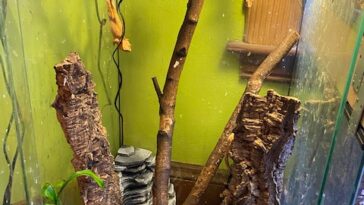
Review of Zilla Rock Lair and Waterfall
In our last article, Gecko Time reviewed three micro habitats produced by Zilla. This article reviews Zilla’s final two offerings: the Extra Large Rock Lair and the Small Waterfall. More
-
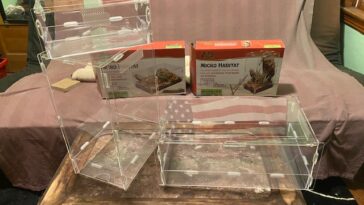
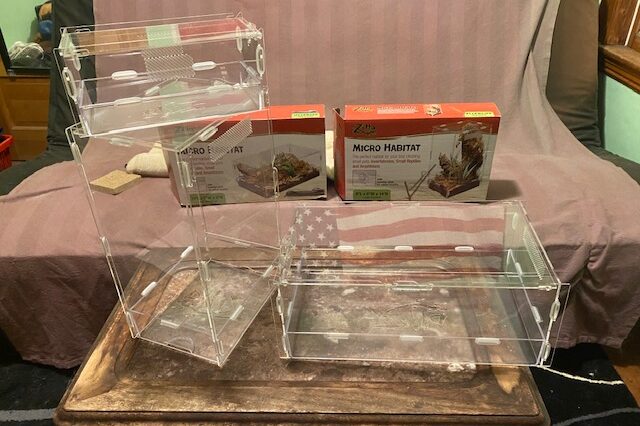
Review of Zilla Micro Habitats
Zilla has produced a variety of “Micro habitats”. Gecko Time received three of them to review: The “Small Terrestrial” (8”x4”x4”), the “Large Terrestrial (14″x8″x6”) and the “Large Arboreal” (8″x6″x14″). At approximately $20-30 each, they are reasonably priced, though it’s probably not practical to use them as a display system that would require purchasing many of them. More
-
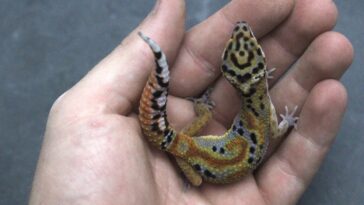
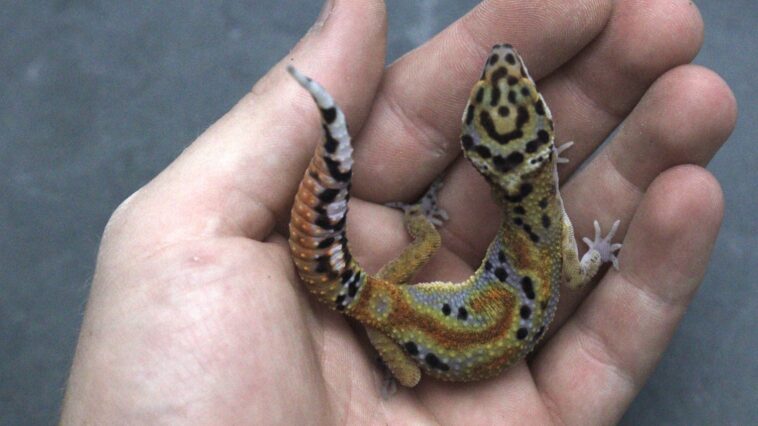
Nicholas Voorhees of NVGeckos
Gecko enthusiasts may look at hundreds of pictures of geckos a day through gecko sale sites, Instagram, Pinterest, Youtube, gecko forums and Facebook groups. After awhile, they tend to blur together, but sometimes, certain geckos stand out. I felt this way when I saw pictures of some of the leopard geckos the Nicholas Voorhees of California-based NVGeckos has produced. More
-
How to Become a Product Reviewer
Reviewing a product is relatively straightforward: purchase a product that you need, use it for awhile and report on its positive and negative aspects. In in effort to broaden its horizons, Gecko Time is taking the step of becoming a product reviewer. This means that we will receive a variety of gecko-related products (which we don’t necessarily need), and will endeavor to provide some useful information about them. More
-
Black Night Leopard Geckos: Interview with Jayden Coleman of Eco Geckos
The Black Night Leopard Gecko, an extremely hypermelanistic (very dark) leopard gecko has generated a lot of interest since it came on the market. One fortunate Black Night breeder is Jayden Coleman of Eco Geckos in the UK. Gecko Time was able to interview him recently to educate our readers about this fascinating new morph. More
-
Interview with Brandon Lee of Reptile Maniac
Reptile Maniac is a great example of an up-and-coming service provided by people who are passionate about reptiles. Backed by extensive research, it utilizes a variety of internet and social media connections to provide information, share photos and answer common questions about the reptiles they are most knowledgeable about, including an increasing variety of gecko species. Gecko Time recently interviewed Brandon Lee, the owner of Reptile Maniac. More
-

Breeding Geckos: Are You Ready?
Last week’s article explored the requirements for a gecko to be ready for breeding. This week’s article will provide information about what the human in charge of gecko breeding needs to consider in order to have a successful experience. More
-
Is Your Gecko Ready for Breeding?
In the northern hemisphere, gecko breeding season has been in full swing since the late winter. It’s still early enough in the season to begin breeding, and late enough to contemplate breeding for next season. It’s important that the geckos in question be in good condition for breeding. It’s also important for the hobbyist who is contemplating breeding their geckos to be sufficiently prepared. More
-
The Amazing Adventures of Mr. Blue
Mr. Blue is an electric blue day gecko, otherwise known as a Lagodactylus williamsi. He’s been sharing my home (literally) with me for the past five years. More
-
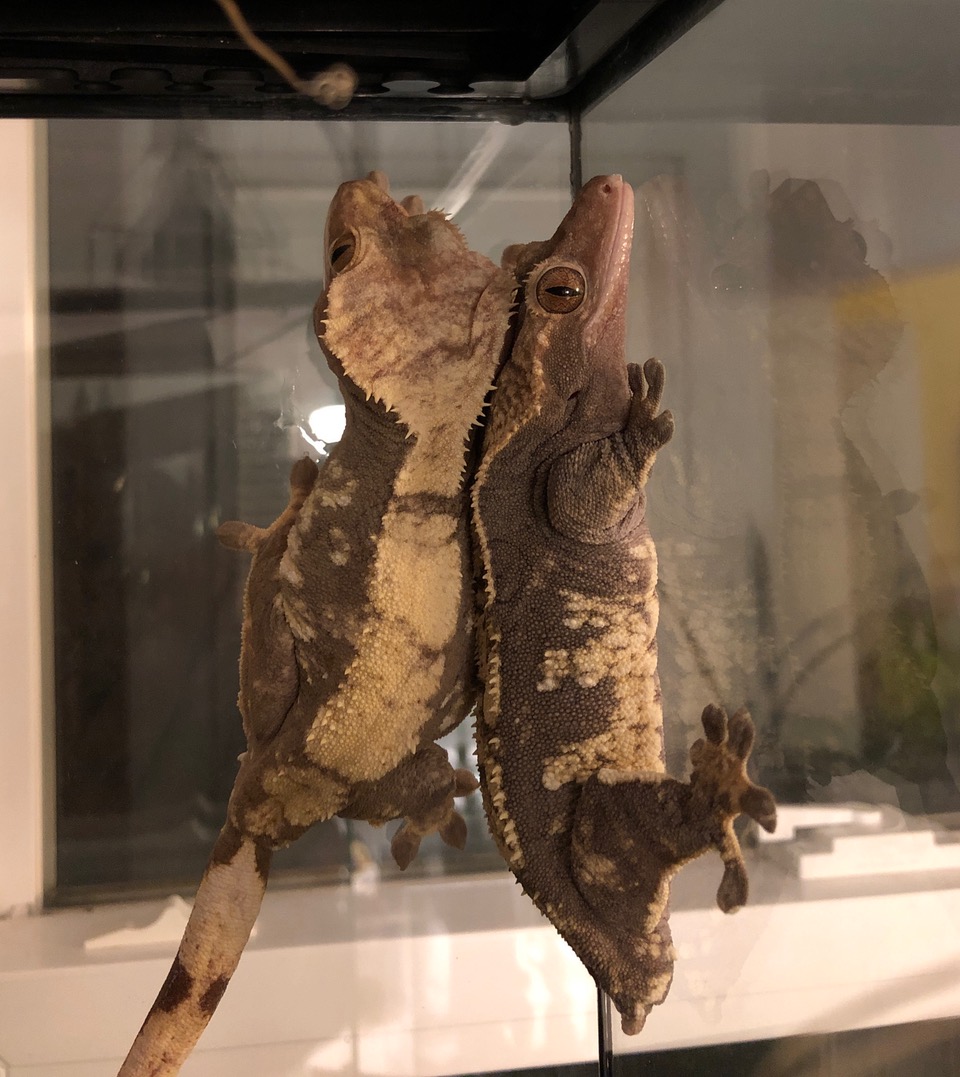
What Goes on in My House: Zoom In Zoom Out
Welcome to a convivial room in the wintry “wilds” of Toronto Canada! More
-
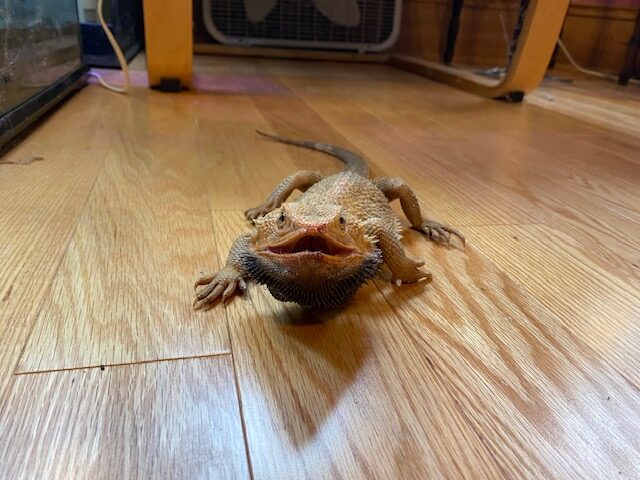
What Goes on in My House?! Aliza Arzt
Welcome to the first of what we hope will be many photo-essays about our geckos in our homes. A photo essay is designed to be heavy on pictures and light on words, so without further ado: More
-
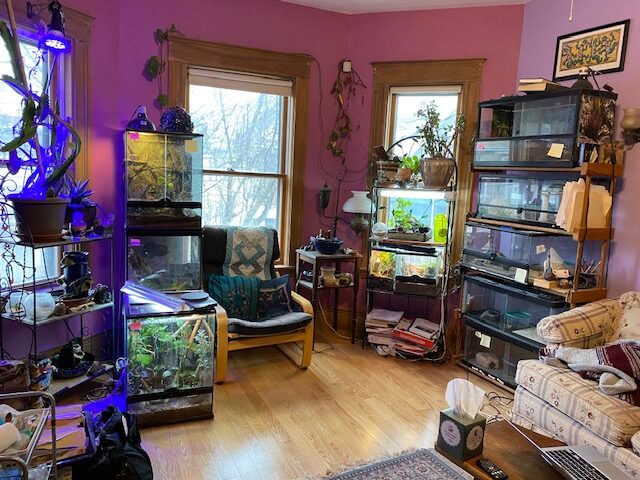
New Series: What Goes on in My House?!
Entering the house of a dedicated gecko keeper can be a weird experience, especially if the gecko “collection” is integrated into the decor of the home. For many “not your average living room” is an understatement. More
Load More
Congratulations. You've reached the end of the internet.