

Featured Articles
More stories
-
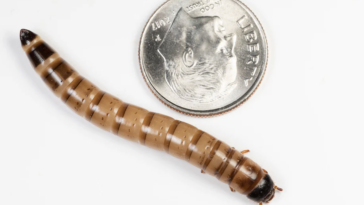
Can leopard geckos eat superworms?
Yes, your fully-grown adult leopard gecko can eat superworms or kingworms (Zophobas morio) – whichever name you might use for them. Some geckos can be picky eaters once you make superworms a staple in their diet so we always recommend you start baby leopard geckos with varied diets high in nutritional value. Calcium powder or […] More
-
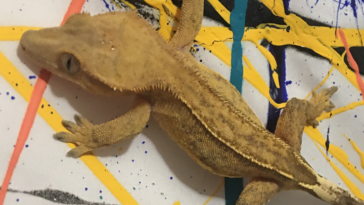
What fruits can a crested gecko eat?
All gecko diets in captivity should be diverse and well-rounded as possible including but not limited to commercial diets, fresh fruits, live insects like dubia roaches, calcium supplement, multivitamins, and the occasional treat. Risk of metabolic bone disease can be all but eliminated if you are feeding a healthy varied diet like the one described […] More
-
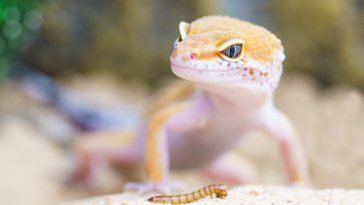
Why won’t my leopard gecko eat?
A leopard gecko can stop eating many different reasons. Sometimes it’s changes in the weather, reproduction cycles, food preferences, even new habitats can affect your gecko’s eating routine. A common issue for new leopard gecko keepers is bringing a gecko into a new home. A new habitat and enclosure can cause a gecko a fair […] More
-
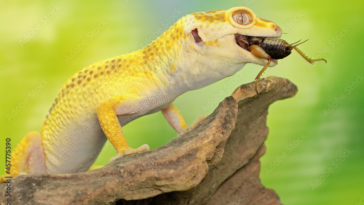
How many crickets should a leopard gecko eat?
The number of crickets your leopard gecko, or any other gecko, should eat can vary by time of year, age, species, reproductive cycle, and many other factors. When you first get your gecko it is a good idea to keep a log of what your gecko is eating. You can also use a food scale […] More
-

Does a gecko need a heat lamp?
Finding the right temperature for your gecko and its tank can be a daunting task. Geckos do not produce their own body heat so one very important thing for geckos is to provide supplemental heat. This can take many forms, like a basking spot, a warm hide, or just a warm end of the tank. […] More
-
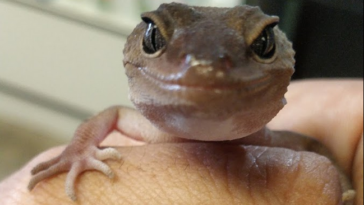
Can you put live plants in a leopard gecko tank?
When it comes time to decorate your gecko tank, you will have to make a decision: live plants or fake plants. Most people settle for fake plants. After all, they’re convenient, affordable, easy to clean, and often times they can look just as pretty as live plants. Most people don’t know though, that it’s 100% […] More
-
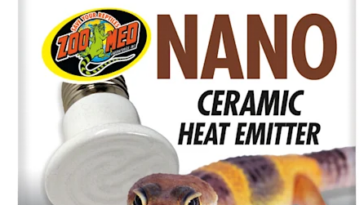
What are the best heat lamps for your leopard gecko?
Pet leopard geckos require some type of heat source. This can include a heat mat, ceramic bulb, incandescent bulbs, heating pads, and more. While heating mats and pads can be pretty straightforward, it can be quite a challenge to choose the best light or other heating elements for your gecko. For instance, a ceramic heat […] More
-
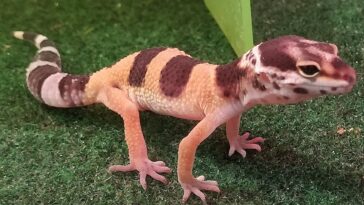
How to set up a 10 gallon terrarium for your gecko
Can I keep a gecko in a 10 gallon tank? In short, yes some species of gecko can thrive in a sufficiently equipped 10-gallon tank. Some smaller species of gecko can even be kept in enclosures smaller than 10 gallons. A 10 gallon tank would be considered a healthy minimize size for an adult leopard […] More
-
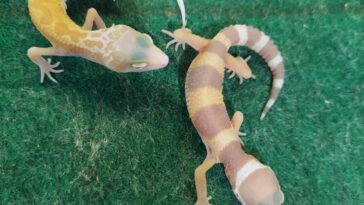
The Natural History of the Gecko
Geckos are a widely distributed species of carnivorous lizards that are found on every continent except Antarctica. The family Gekkonidae is the largest group of lizards, including almost 1,500 different lizard species. There is a lot to know about the geckos. In this article, we will discuss the evolutionary history of geckos. This incredible group […] More
-
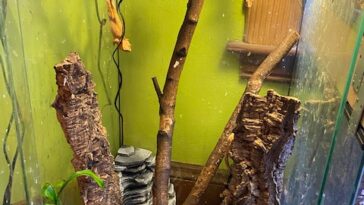
Review of Zilla Rock Lair and Waterfall
In our last article, Gecko Time reviewed three micro habitats produced by Zilla. This article reviews Zilla’s final two offerings: the Extra Large Rock Lair and the Small Waterfall. More
-

Review of Zilla Micro Habitats
Zilla has produced a variety of “Micro habitats”. Gecko Time received three of them to review: The “Small Terrestrial” (8”x4”x4”), the “Large Terrestrial (14″x8″x6”) and the “Large Arboreal” (8″x6″x14″). At approximately $20-30 each, they are reasonably priced, though it’s probably not practical to use them as a display system that would require purchasing many of them. More
-
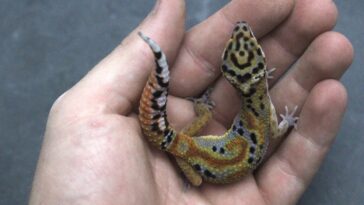
Nicholas Voorhees of NVGeckos
Gecko enthusiasts may look at hundreds of pictures of geckos a day through gecko sale sites, Instagram, Pinterest, Youtube, gecko forums and Facebook groups. After awhile, they tend to blur together, but sometimes, certain geckos stand out. I felt this way when I saw pictures of some of the leopard geckos the Nicholas Voorhees of California-based NVGeckos has produced. More
Load More
Congratulations. You've reached the end of the internet.