
Matthew / Featured Articles / 8 Comments
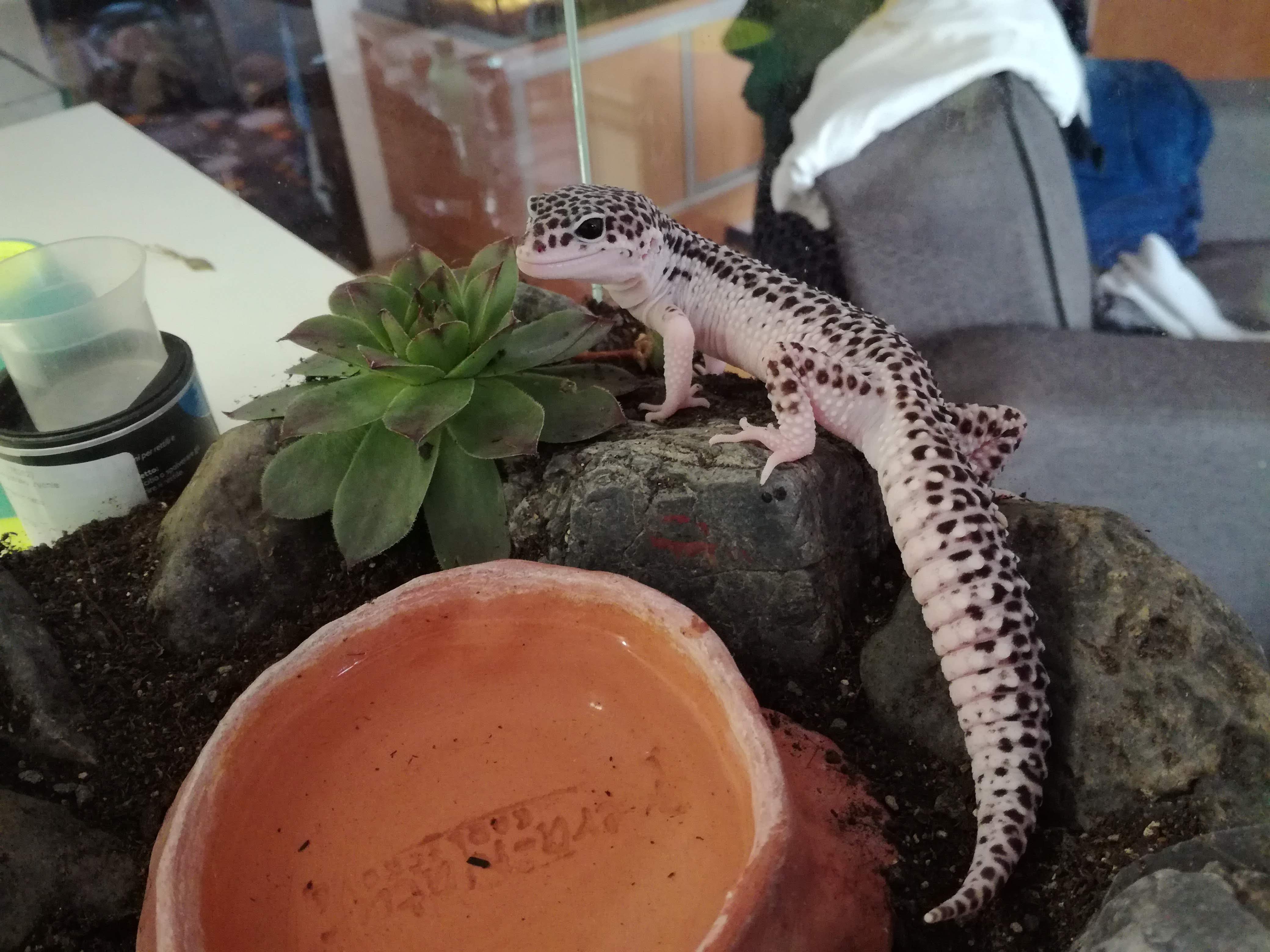
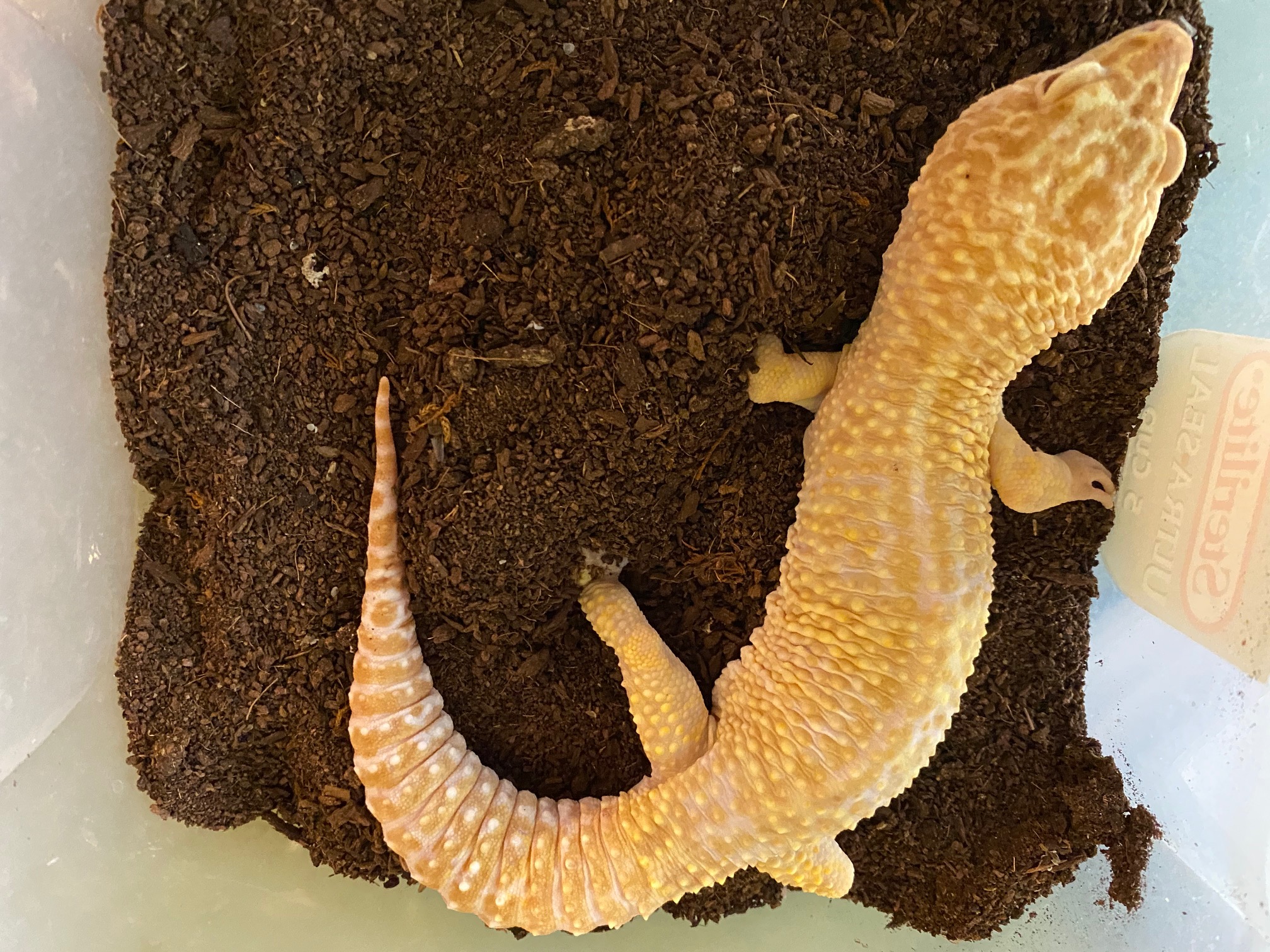
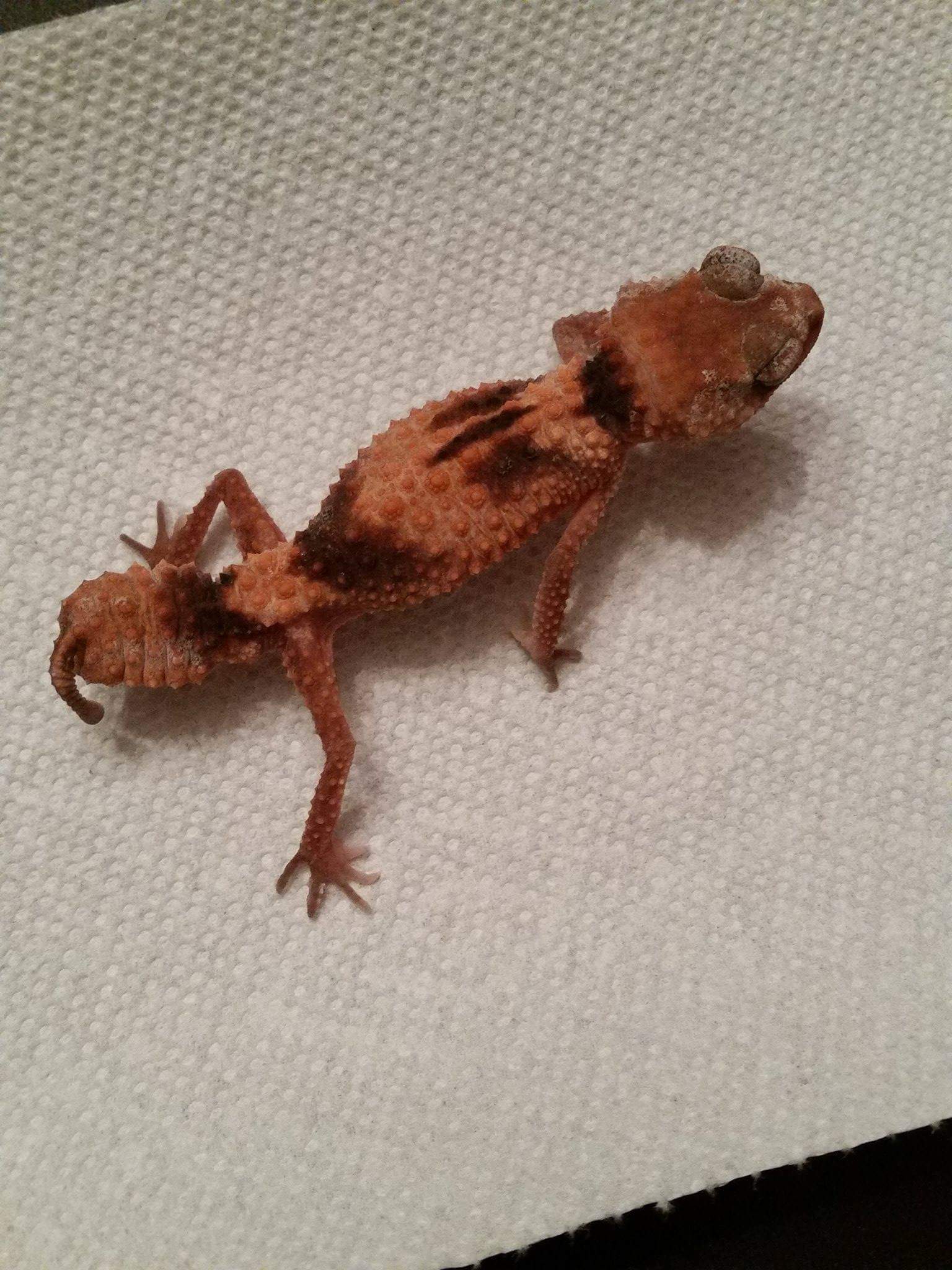
Geckos are bred in huge numbers in captivity. Breeding in high numbers in any animal will create genetic oddities. This post showcases shocking, amazing, and some scary gecko mutations that we’ve found across the web.
Please be warned: some of these photos are graphic and may offend some people. If you feel like this may not be the right post for you please go back to the homepage and check out some of our other blog posts. None of these photoshopped to the best of our knowledge!
Read More »
Aliza / Featured Articles / 1 Comment
Failure to eat, or a reduction in eating habits in a gecko is not really a problem in and of itself, but a symptom of either an illness or a natural situation. Since most keepers consider regular feeding to be a sign of good health, it is disconcerting when a gecko doesn’t eat. Most of the time, a gecko does not eat well due to illness, stress or life cycle events.
Read More »
Matthew / Featured Articles / 2 Comments
There was a recent study posted on Scientific American’s 60-Second Science blog titled Of Pathogens and Pets: Tokay Gecko Harbors 10 Types of Salmonella. This article explains research that has been conducted with 150 tokay geckos, finding that 60% tested positive for carrying Salmonella.
It seems that people are focused against reptiles lately. With the U.S. government pushing down to take away reptile keeper’s rights and studies being published such as this, the question must be asked: Is there a connection between the increase in anti-reptile articles and the prevalence of anti-reptile legislation in the United States?
Read More »
Vanessa / Featured Articles / No Comments
Leopard and African fat-tailed geckos are among the most popular reptilian pets. Many of us enjoy the comical antics of our winking friends, but as we become more familiar with eyelid geckos and their interesting behavior we realize how little we actually know about them.
Read More »
Aliza / Featured Articles / 1 Comment
The long wait is over! There, in the incubator (or sometimes in the parent enclosure), is a gecko hatchling! All too often, the new breeder’s next thought is “now what?” Although the question should have been answered long before the first egg was laid, this article can serve as a general guide for how to care for gecko hatchlings and a preview for those considering becoming breeders.
Read More »
Aliza / Featured Articles / 2 Comments
During the recent Fourth of July holiday weekend I was privileged to attend the show Geckos, Tails to Toepads which is running at the Philadelphia Academy of Natural Sciences from May 30 to September 7.
Read More »
Supreme Gecko / Featured Articles / 6 Comments
“Should I buy off the Internet or shouldn’t I?”
The geckos look great, the price is great, but how do you know the dealer is reputable? How do you know the animals are fairly represented in the pictures on the web page?
There are a few steps you can take to insure a fair, honest transaction.
Read More »
clear / Featured Articles / No Comments
Blaptica dubia is one of the fastest growing trends when it comes to feeding your exotic pets. The babies are the perfect size for any small pet, from baby geckos, baby bearded dragons to just small tarantulas. As adults they are rather big compared to crickets so it takes fewer Blaptica dubia to fill up your pet, which in turn saves you money! Being a slow moving roach they allow pets that are not up for the chase an easy meal, but they also move enough to attract the feistiest of predators.
Read More »
Aliza / Featured Articles / 2 Comments
For a new breeder, vending at a reptile show can be an important step in the process of becoming an expert. Vending at a show is an easy way to sell multiple reptiles in one day and also an opportunity to be perceived as a knowledgeable member of the herp community. A successful and enjoyable experience at a show depends on knowledge of what to expect and a good amount of advance preparation.
Read More »
Striking Reptiles / Featured Articles / 7 Comments
If you were to ask any reptile hobbyist about their collection, it would probably be difficult to get them to stop talking. This hobby is full of passionate, caring people that truly love their animals and everything about them. With all the reptile shows across the country and the thousands of products that are available, it is undeniable that keeping reptiles is a fun and exciting hobby that continues to grow every day. With all these new keepers joining and breeders expanding their inventory, one might start to wonder what kind of impact this incredible hobby has on the environment. Though it may seem like herpetology has little effect on the planet, if people really start to think about some of the things they do every day to care for their scaly friends, they can see how quickly it all adds up and the toll it takes on the environment. If hobbyists make a few simple changes to be greener keepers, a great difference would be made for the entire world, while saving some money along the way.
Read More »