

 Aliza
Aliza
Gecko Time was recently informed about a stunning new photography book about geckos of the world compiled by Edgar Wefer. We decided to interview him to let our readers know about some of the background behind this gorgeous work.
[ad#sponsor]
Please tell us a little about yourself: what are your professional and personal interests?
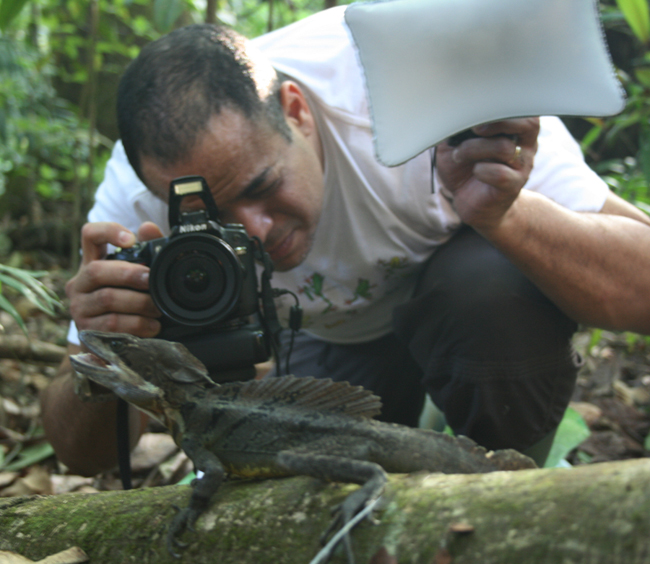
My name is Edgar Wefer. I was born in Venezuela in 1974, but currently live in Spain. Since childhood I have felt a great fascination with animals, and that same love led me to be a veterinarian. Currently I run my own veterinary clinic. My second great passion is photography. About 6 years ago I started reading and studying formally and then I decided to start a collection of pictures of animals but my main focus is reptiles. And therefore, wherever I go my camera goes with me looking for a chance to immortalize a snake, frog, lizard in a good photograph.
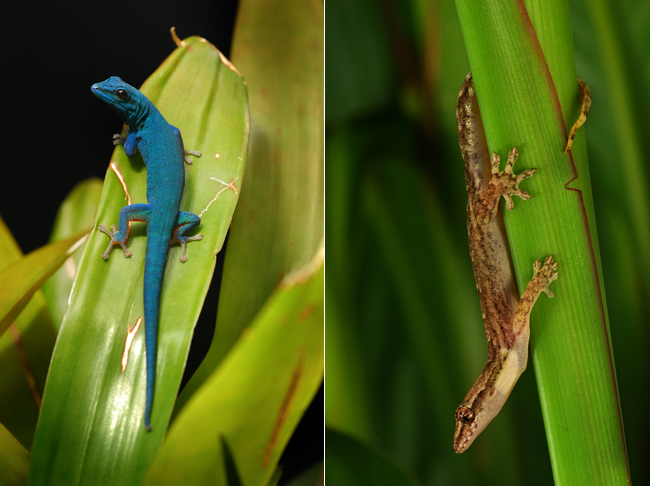
What made you decide to compile a photography book about geckos?
I’ve always had a special interest in geckos, these amazing reptiles I have found fascinating since I was a child. I remember at my house in Venezuela I used to see a large group of free Gonatodes and other geckos. After collecting a number of pictures of geckos I decided to keep contacting people to let me photograph their animals. So once I had a great variety of species I thought that maybe I could publish a photography book just for gecko lovers…
How complete is your pictorial record, especially with new gecko species being identified so frequently these days?
With geckos, there are about 72 species registered so far with around 600 images because some pictures were taken in different places or of different specimens… but also, I have a large collection of other lizards, snakes, crocs and turtles photographed in private collections, parks and nature in Europe, USA, South and central America, and north of Africa.
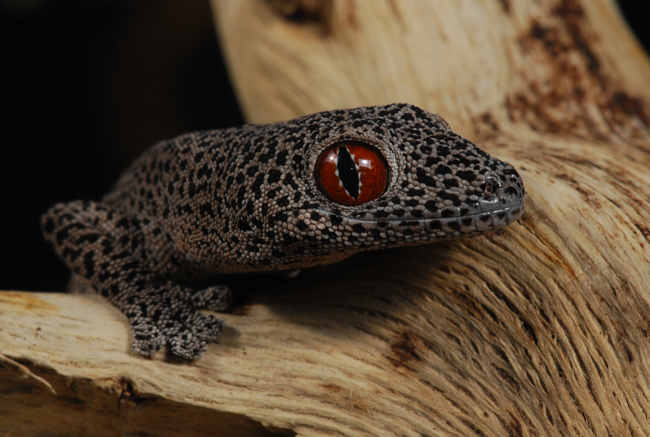
What are some challenges you found in putting together your book?
This book took a lot of work. Searching the specimens, contacting with people who owned them, driving hundreds of miles, even flying to get one or two new species photographed. Then, some gecko species are a real challenge to be photographed because of their behaviour or because their fragility. Most of them are very fragile and it is necessary to think very carefully about where and when to shoot. I always minimize as much as possible the stress for the animal in a photo session. Some pictures are 100% natural and no manipulation was needed in nature. When I try to photograph an animal I always try to get its “spirit” and natural pose. It’s very important also to get the most remarkable detail of every species including its colour, forms, horns, tails, mimetism [mimicry] etc.
Were all the photos taken by you, or did you use others’ photos? If that was the case, how did you decide what to use?
I keep in my records pictures taken by friends, but I preferred just to use my own pictures for this book.
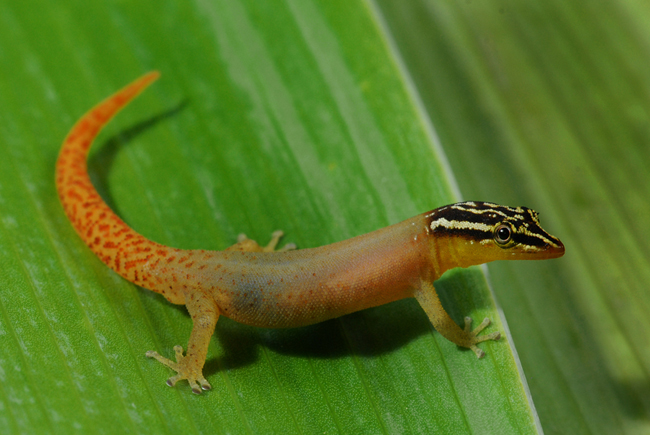
What advice would you give someone who would like to embark on a reptile photography book?
Well, it can be a lot of things. The most important is to try to catch the animal in the most natural possible way, avoid certain mistakes like poor lighting, artificial elements that ruin a photo, show variety, details, combine macros and wide angle shoots, and try to “tell a story” in every picture.
When will your book be released and how can people obtain a copy of it?
At the moment, is just available at blurb.com a web page dedicated to books’ creation (http://www.blurb.com/bookstore/detail/1511971). I’m looking forward to making a version for portable electronics.
Is there anything else you would like us to know?
I just want to say for all animal keepers that it’s a big responsibility to keep any reptile or amphibian. The more we learn, the better they will be. There is nothing better than an animal in its natural place. If it has been captive bred to be a “pet”, then we have the obligation to make them feel as comfortable as possible. As a veterinarian I see often how we fail on husbandry for reptiles. As a photographer, I just say study, practice, and above all enjoy what you do.
Edgar can be contacted at [email protected]

Hi! Great post and fantastic pictures in your article about the new photography book on Geckos of the world. You can see the great detail and love in Edgar Wefer’s work. I will tweet this to my friends.
Thanks. I always enjoy your frequent supportive comments about our articles.
FELICITACIONES EDGAR ! EXELENTE !
This guys rocks!!
especially the photo with Sphaerodactylus mollei its amazing!
Great interview from a great man. You can see here another photography from Edgar with one of his favourite gecko: http://geckosambassadors.wordpress.com/2011/11/21/eurydactylodes-agricolae/
@vlad Thanks for the comment, I wish you the best of luck with your new blog.