
A Leopard Gecko’s Sad Tale of Woe
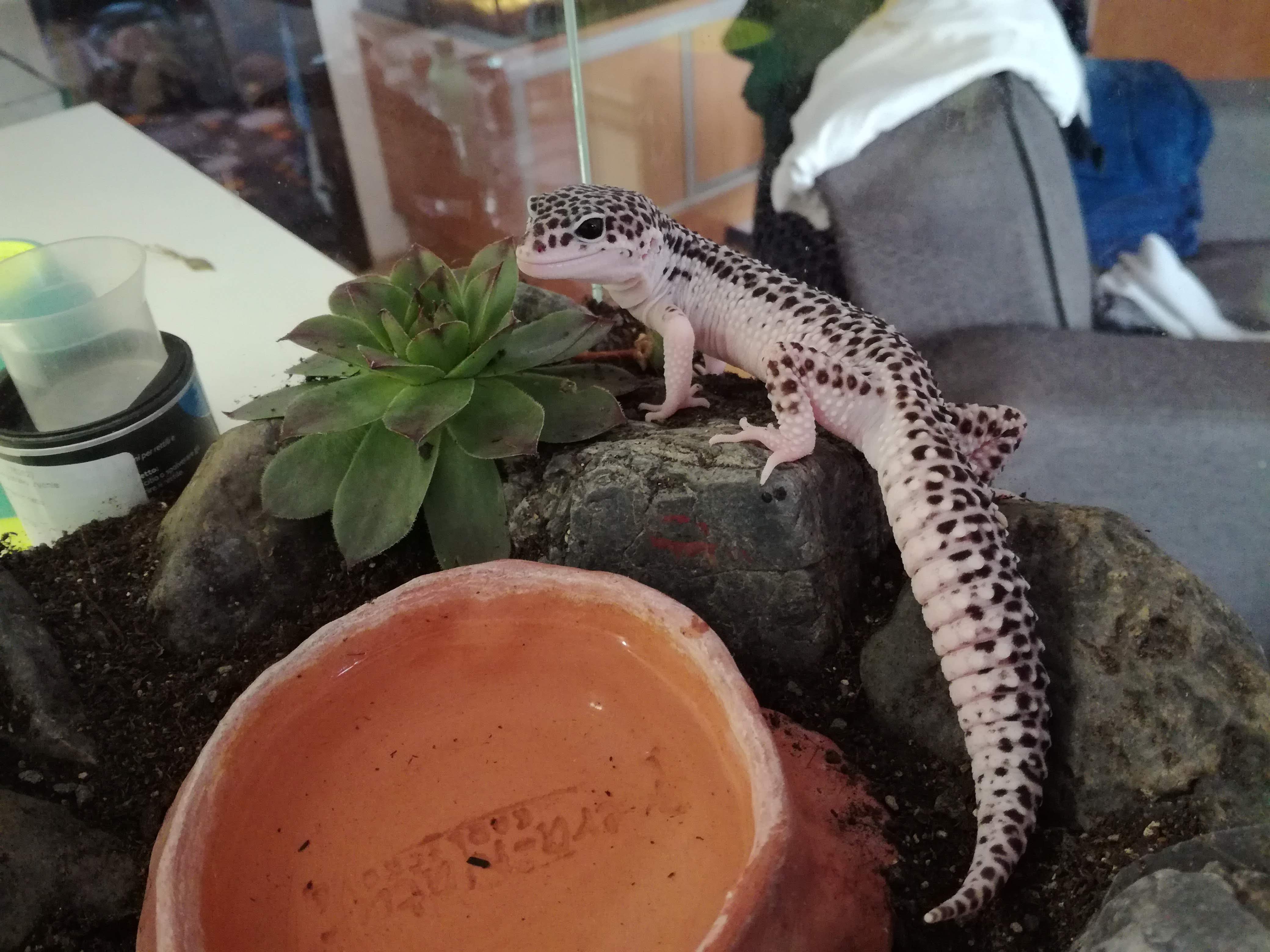
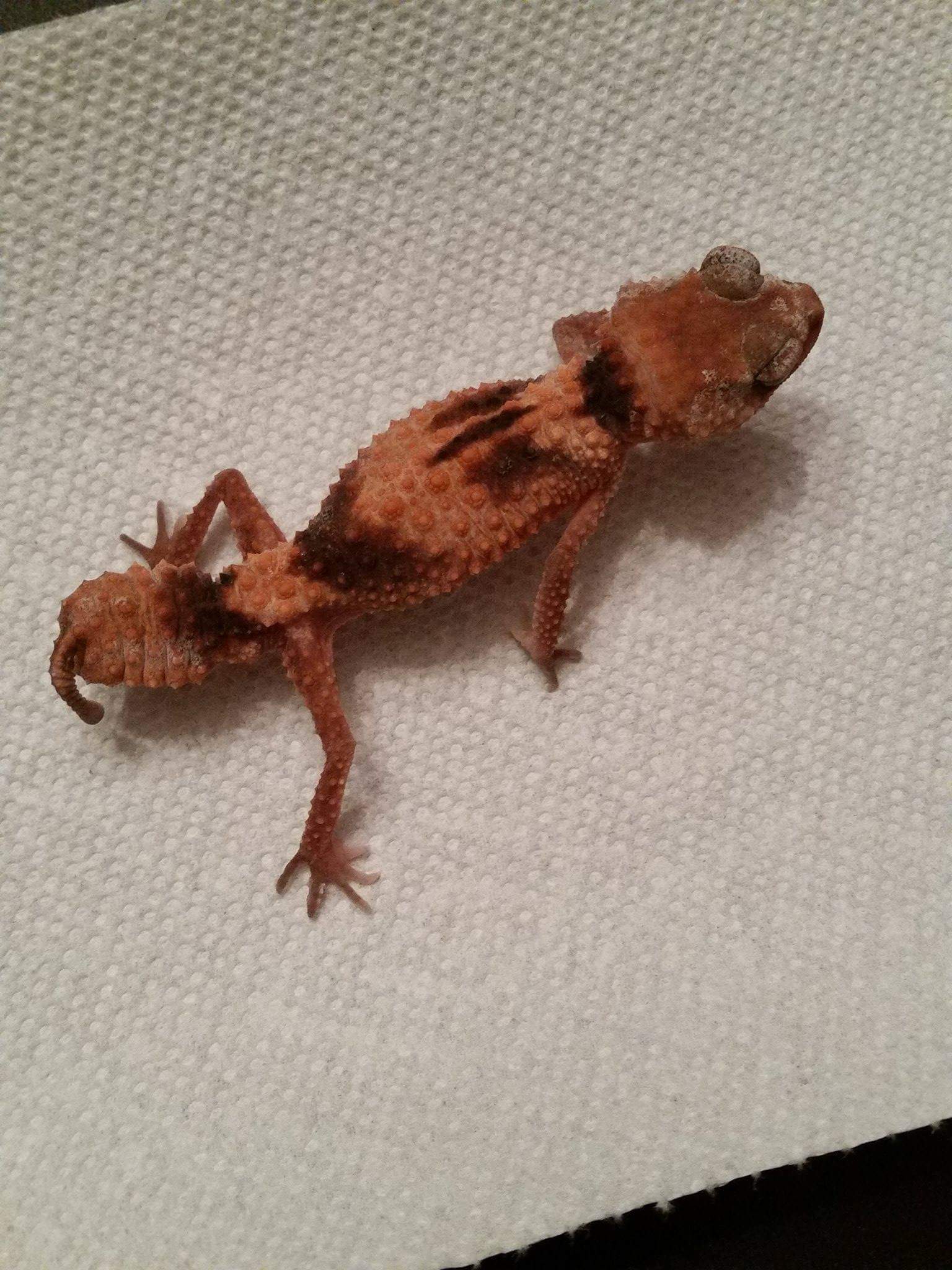
It’s been a long road and bumpy road for this lovely leopard gecko. She was sitting on a vendor’s table at a reptile show last summer, July 2010, marked “RAPTOR F needs work $10”.
Read More »It’s been a long road and bumpy road for this lovely leopard gecko. She was sitting on a vendor’s table at a reptile show last summer, July 2010, marked “RAPTOR F needs work $10”.
Read More »Whether you are an experienced breeder, a novice breeder, a breeder “wanna-be” or a confirmed “pet only” gecko keeper, the experiences of Justin Hansen, newly returned to leopard gecko breeding, should be an interesting read. In the second installment of his New Breeder series, Justin continues to establish his gecko and feeder breeding colonies:
Read More »Our April Readers’ Questions have been answered! Take a peak at the results.
Question 1: I have been doing a lot of research about substrates and am having a hard time finding the correct one. First I tried repti-carpet, but none of the colors went with my décor. I tried switching to newspaper and paper towel, but they both rip every time anyone walks through. Then I read the article in Gecko Time about bio-active substrate. I went to the woods with my dump truck, got the sand at Home Depot and made up a batch. I installed it in the whole house, but we’re tracking it all over the place. What else can I do?
Read More »Our friends over at Incubators.org have donated two Reptipro incubators for two lucky Gecko Time readers.
We asked our readers to send us a photo, drawing or written description of any type of gecko that you have hatched or hope to hatch from their incubator. This can be an actual morph of a gecko or a rendering of your fantasy gecko (for example, a solid black leopard gecko with red eyes). Photoshopped pictures are welcome, but please indicate whether this is an actual gecko or a photoshopped submission.
Read More »Rhacodactylus auriculatus, or Gargoyle Geckos, are a robust arboreal species native to the Island of New Caledonia. These geckos have a portly build, semi-prehensile tail, and two distinct knob-like structures or “horns” atop their heads that give them their name.
Read More »Even the most experienced and effective gecko keepers occasionally have geckos with health problems. This may occur with new acquisitions and also with animals they have had for a long time. There are a variety of heath problems that may affect our geckos, some of which may need to be diagnosed or treated by a vet. The problems discussed below are the most common health problems affecting geckos and are relatively easy to recognize.
Read More »Gecko Time is pleased to announce a new contest, our first in many months. The producers of the Reptipro5000 incubator have generously provided us with two incubators to award as prizes.
Read More »I first started breeding Leopard Geckos in 2000 in my dorm room at NYU. I always had a fascination with reptiles and fish and wanted to pursue a degree in Biology in hopes of getting my PhD in herpetology. However, after realizing that life in college was hard enough and the PhD would cost me far more than I would ever really make, I settled into a degree and career in IT which came easier to me than Chemistry. My love for reptiles remained and to my roommate’s dismay, the rack in our closet got bigger.
Read More »It’s that time of year again for most geckos –breeding season. Each season brings geckos new to the breeding experience as well as keepers new to breeding them. This month’s Readers’ Questions Answered features some basic questions about aspects of the breeding process. Although the first question is specific to leopard geckos, the other question could apply to any gecko species.
Read More »So people ask me, and I see a lot of ‘talk’ on the forums about the exact nature and techniques that are required to properly cool an animal down for the winter. A lot of questions are asked and the most common are the obvious such as: “At what temperatures should I cool my geckos? And for how long”, “Should I feed them during this time?”, “Do juveniles or first year breeders need to be cooled?” or “Is it really necessary for me to cool my reptiles?”.
Read More »